The Karamu River Catchment Collective (KRCC) was formed to bring people together around a simple idea:
that the health of our land, water, and communities are all connected.
We are not a regulatory body, nor directed by government agencies - our direction comes from the community itself. Our role is to connect people, resources and opportunities. We’re here to make good ideas easier to achieve, by providing a unified voice to government, and securing the funding to make them happen.
Our focus is on practical, grassroots action - projects that improve the environment while also strengthening farm businesses and rural communities. Projects such as:
• Riparian planting
• Restoring biodiversity
• Trialling new land management practices
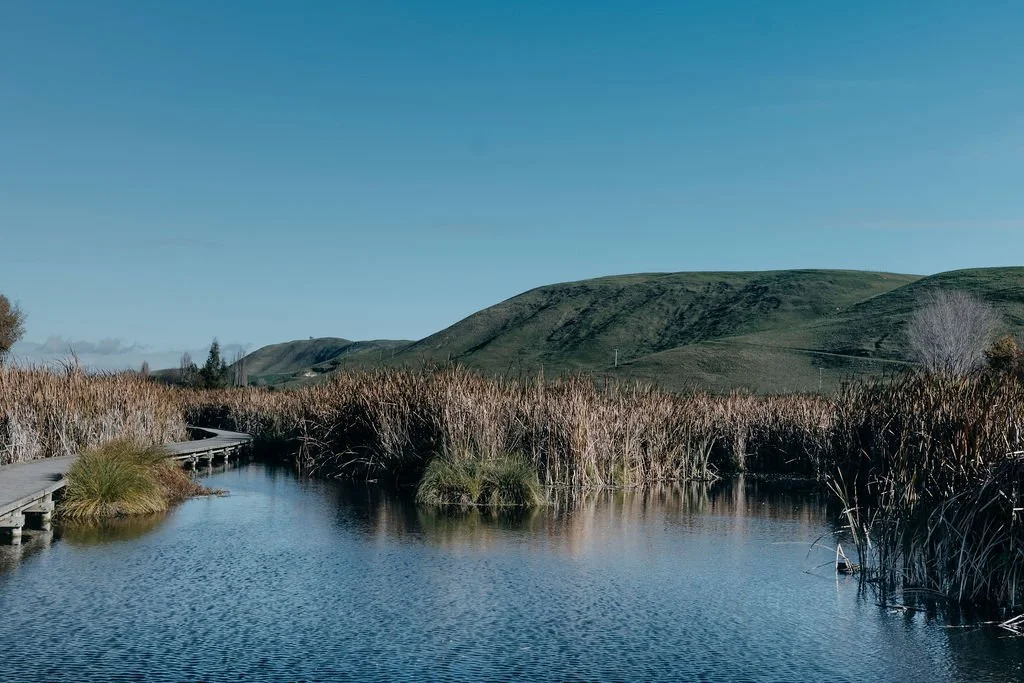
• Supporting wetland and habitat projects
or simply helping neighbours connect and share knowledge.
Economic and environmental sustainability
We know that sustainability is not just about the environment - it is also about economic resilience.
Our catchment is an economic powerhouse at the heart of Hawke’s Bay’s productive landscape, supporting orchards, vineyards, farms, and rural communities. It is also a place of deep cultural and environmental significance, carrying the mauri of the Karamu River and its many tributaries.
In order to focus action on local priorities, the KRCC is divided into 14 sub-catchments.
By supporting on-farm innovation, reducing risks, and strengthening the reputation of our region’s primary producers, KRCC helps to ensure that environmental improvements go hand-in-hand with business success.
This balance is at the core of what we do.
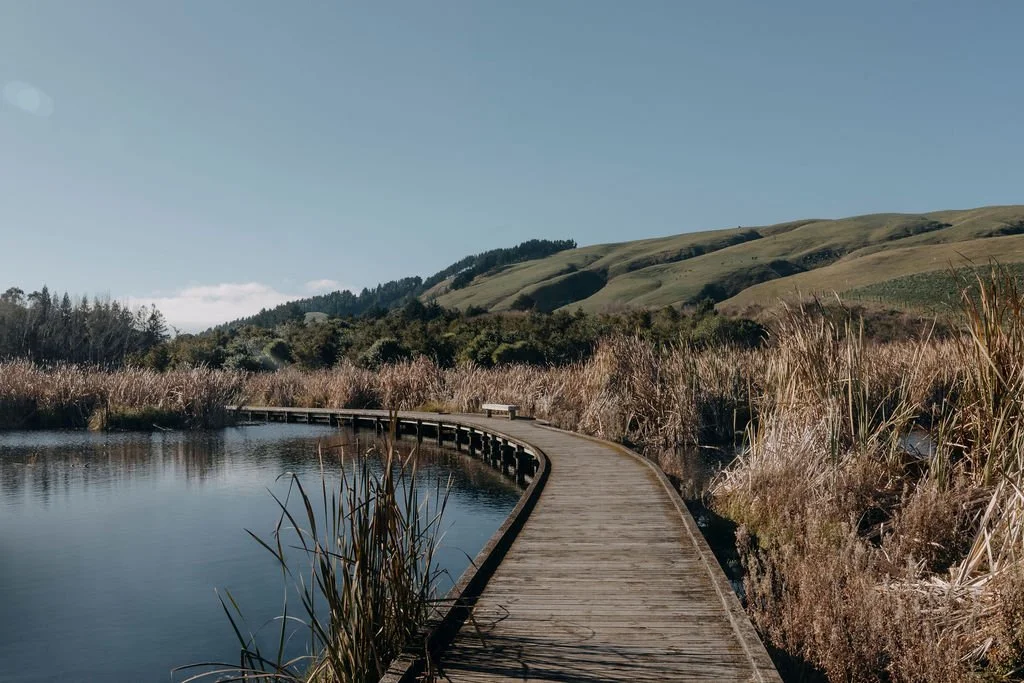
Re-awakening Te Karamu
By uniting local knowledge, science, mātauranga Māori, and the energy of farmers and communities, we are building a legacy of healthier waterways, resilient land, stronger businesses, and thriving communities.
This is about more than a single river - it is about ensuring that the Karamu catchment continues to sustain life and livelihoods for generations to come, as a key part of the future of sustainable agriculture in Hawke’s Bay.